Use the application as a starting point
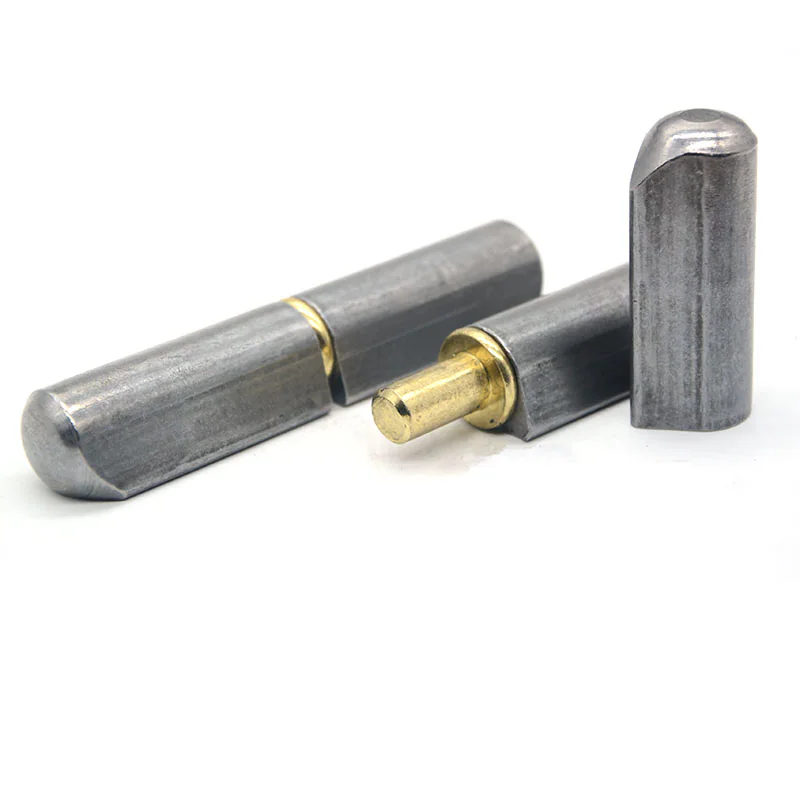
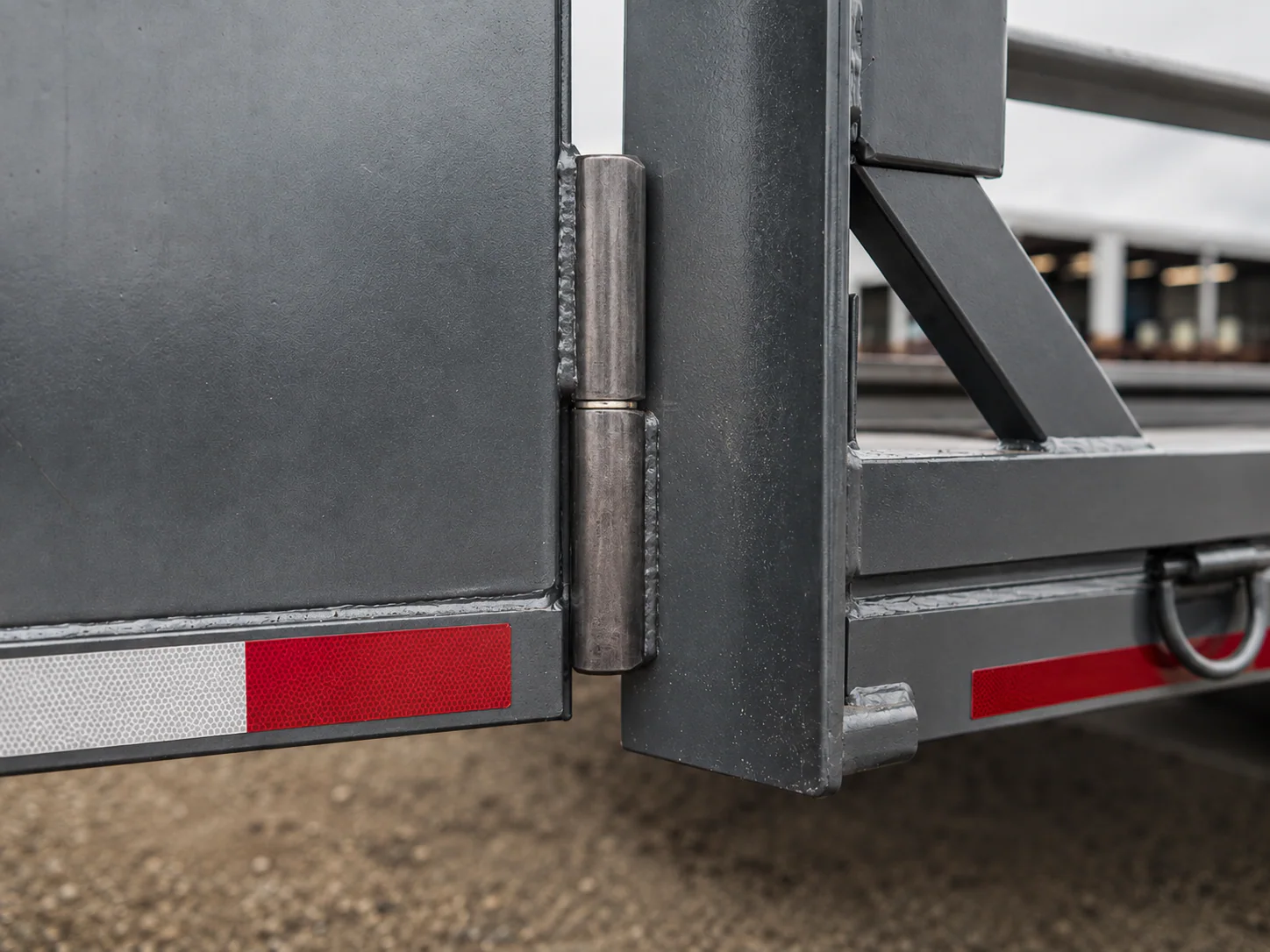
HINGETRA’s 12 / 14 / 16 type series is listed for gates, trailer doors and ramps. That makes it a relevant family to review. It does not select a model for a particular gate width, trailer or ramp arrangement.
Begin with the whole assembly. Mark the moving panel, fixed structure, hinge positions and opening direction. For a replacement, show the existing joint and the surrounding metalwork before removing the old hinge.
Compare all dimensions of the numbered models
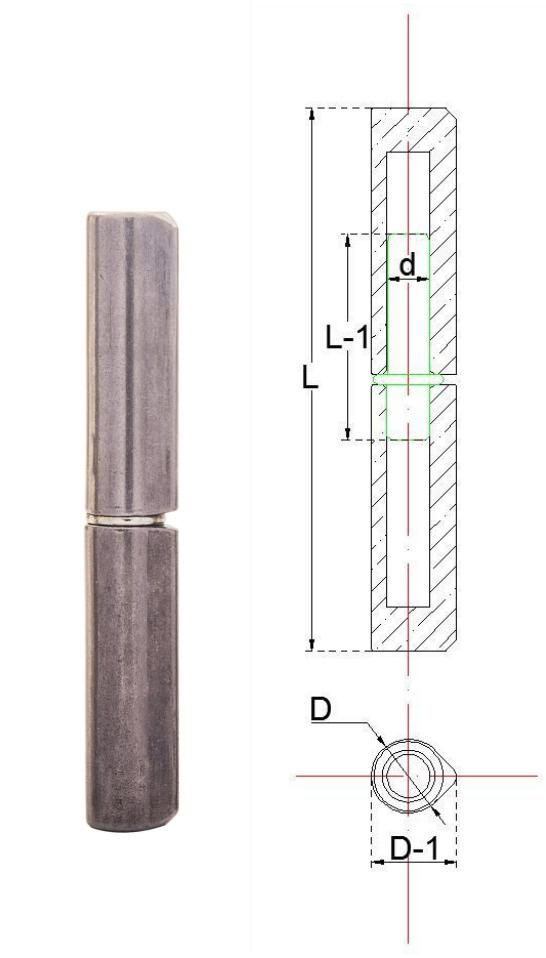
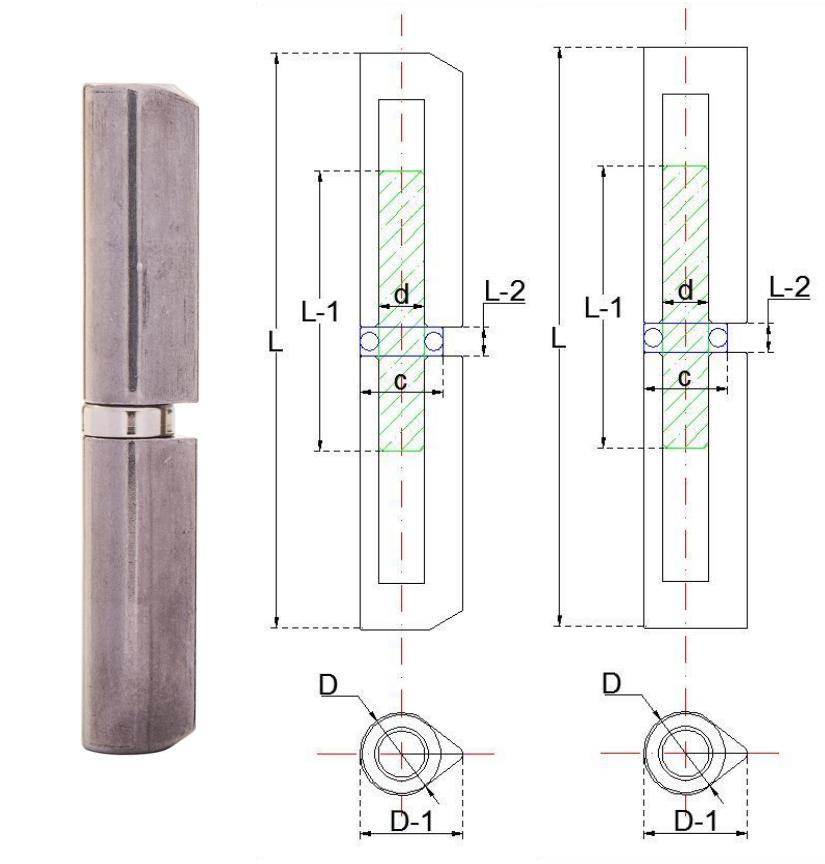
The published models are 12-A, 14-A and 16-A. Check each row against the drawing; do not choose from the model number alone. Their printed D values are 11.80, 13.80 and 15.80, and the original table does not state a unit.
12 / 14 / 16 type catalog records
Review the original models and their complete published parameter rows. No intermediate models or values are implied.
Technical table Scroll horizontally →
| Product family | Structure | Published entry | Published weight | Source |
|---|---|---|---|---|
| 12 / 14 / 16 Type Weld-On Hinges | 12-A / 14-A / 16-A | 12-A — D 11.80 · D-1 14.10 · L 80 · d 6.80 · L-1 30 | Not printed | Catalog p6 |
| 12 / 14 / 16 Type Weld-On Hinges | 12-A / 14-A / 16-A | 14-A — D 13.80 · D-1 15.60 · L 100 · d 7.85 · L-1 32 | Not printed | Catalog p6 |
| 12 / 14 / 16 Type Weld-On Hinges | 12-A / 14-A / 16-A | 16-A — D 15.80 · D-1 18.20 · L 120 · d 8.85 · L-1 44 | Not printed | Catalog p6 |
If one dimension matches and another does not, flag the mismatch. A similar body diameter is not enough to establish a replacement fit. The size guide explains how to preserve model names and drawing symbols in your request.
Show movement and the surrounding structure
- Panel dimensions and weight, stating whether they are measured or estimated.
- Hinge count and positions, including distance between hinge locations.
- Opening direction and the intended open and closed positions.
- Space around the hinge for assembly, removal and access.
- How the panel is supported or restrained in each working position.
For a ramp, explain how it is supported when deployed and what passes over it. A hinge’s published dimensions alone cannot establish the suitability of the complete ramp. Keep that review with the person responsible for the assembly design.
Different applications need different questions
Comparison table Scroll horizontally →
| Application | Questions to resolve |
|---|---|
| Gate | Which side opens? What frame or post is the hinge attached to? Is removal required? |
| Trailer door | Where must the open door sit? Could seals, latches or the body obstruct movement? |
| Ramp | What is the direction of movement? How is the ramp supported when deployed and secured when stored? |
Where the arrangement is separable, show the space available to disengage it. Door movement and hinge-axis positioning are covered in the alignment and removal clearance guide.
Send the drawing with the model reference
Include the closest model, current drawing revision, quantity and destination. Put open questions in the message: missing units, an uncertain hinge position or a dimension that differs from the listed row. This is easier to review than a folder of photographs with no marked reference.
Use the file fields on the inquiry form for your drawing and reference image. The RFQ drawing checklist shows what to include.